This article may include affiliate links. If you make a purchase through them, we may earn a commission at no additional cost to you. This content is intended for readers 18+ and older.
Talking about sex toys with a partner can feel awkward—even in loving, long-term relationships. Many people worry about hurting feelings, sounding critical, or being misunderstood. But when approached with care, curiosity, and honesty, conversations about sex toys can strengthen trust, improve communication, and deepen intimacy.
This guide will help you talk to your partner about sex toys in a way that feels safe, respectful, and pressure-free, whether you’re brand new to the idea or looking to explore something new together.
Why Talking About Sex Toys Can Feel Difficult
Sex toys often carry unnecessary stigma. People may associate them with:
- Dissatisfaction in a relationship
- Replacement rather than enhancement
- Embarrassment or shame
- Fear of judgment
These concerns are common—and understandable. Recognizing this upfront helps you approach the conversation with empathy instead of assumptions.
Reframing the Conversation: What Sex Toys Really Are
Before talking to your partner, it helps to reframe how you think about sex toys.
Sex toys are:
- Tools for pleasure and wellness
- Add-ons, not replacements
- Common and widely used
- Designed to support comfort, exploration, and connection
Seeing toys as a shared experience—rather than a critique—changes the tone of the discussion.
Step 1: Choose the Right Moment
Timing matters.
Avoid starting the conversation:
- During an argument
- In the middle of intimacy
- When your partner is stressed or distracted
Instead, choose a calm, neutral moment—like a relaxed evening or casual conversation—when both of you feel emotionally available.
Step 2: Start with Reassurance
Begin by affirming your relationship.
Examples:
- “I really value our connection and intimacy.”
- “I love what we share and feel comfortable talking openly with you.”
This helps your partner feel secure and reduces the risk of defensiveness.
Step 3: Use “I” Statements, Not “You” Statements
Language matters.
Avoid:
“You don’t do this”
“You should try this”
Use instead:
“I’ve been curious about…”
“I think it could be fun to explore together…”
“I” statements express curiosity rather than criticism.
Step 4: Keep the Focus on Shared Experience
Position sex toys as something you can explore together, not something you need instead of your partner.
Helpful framing:
- “Something we could try together”
- “A way to add variety”
- “An experience we control together”
This reinforces partnership and mutual choice.
Step 5: Normalize the Topic
Sometimes it helps to point out how common sex toys are today.
You might say:
- “A lot of couples use them now—it’s pretty normal.”
- “They’re often talked about as sexual wellness tools.”
Normalizing reduces shame and helps your partner feel less singled out.
Step 6: Invite Their Thoughts—Don’t Push
After sharing your thoughts, pause.
Ask open-ended questions:
- “How do you feel about that?”
- “Is that something you’ve ever been curious about?”
Give them space to respond honestly—even if the answer isn’t an immediate yes.
If Your Partner Is Hesitant or Unsure
Hesitation doesn’t mean rejection.
Your partner may be:
- Nervous about performance
- Unsure about what toys involve
- Concerned about comfort or safety
Respond with patience:
- Acknowledge their feelings
- Avoid persuasion or pressure
- Offer to take things slowly—or not at all
Respect builds trust more than convincing ever will.
If Your Partner Says No (And That’s Okay)
Consent applies to conversations too.
If your partner isn’t interested:
- Thank them for being honest
- Reaffirm your connection
- Leave the door open for future discussion (without expectation)
A respectful response keeps communication open long-term.
Talking About Boundaries and Preferences
If the conversation goes well, boundaries are the next step.
Talk about:
- Comfort levels
- What feels interesting vs. off-limits
- Beginner-friendly options
- Privacy and discretion
Clear boundaries help both partners feel safe and respected.
Starting Small: A Beginner-Friendly Approach
If you both feel open, suggest starting with something simple:
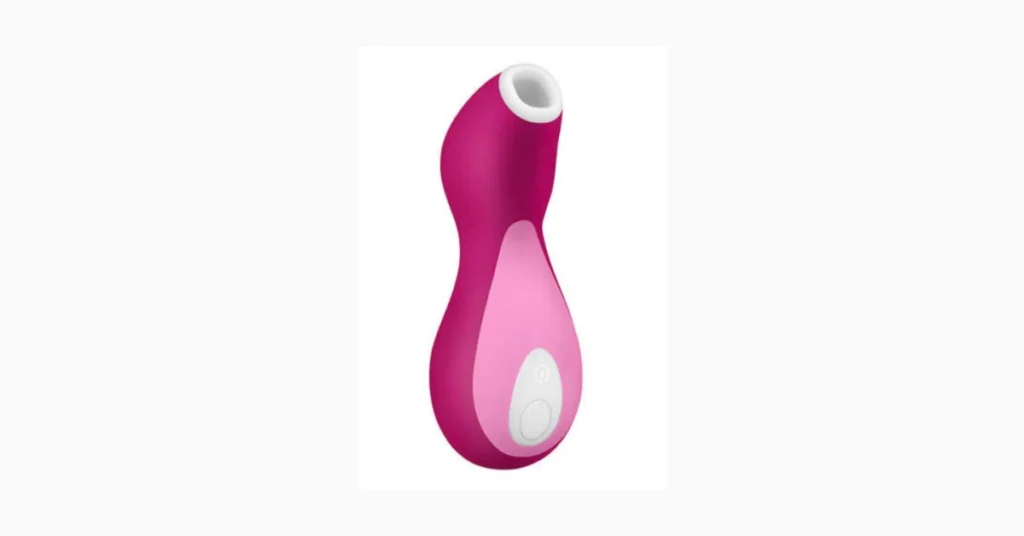
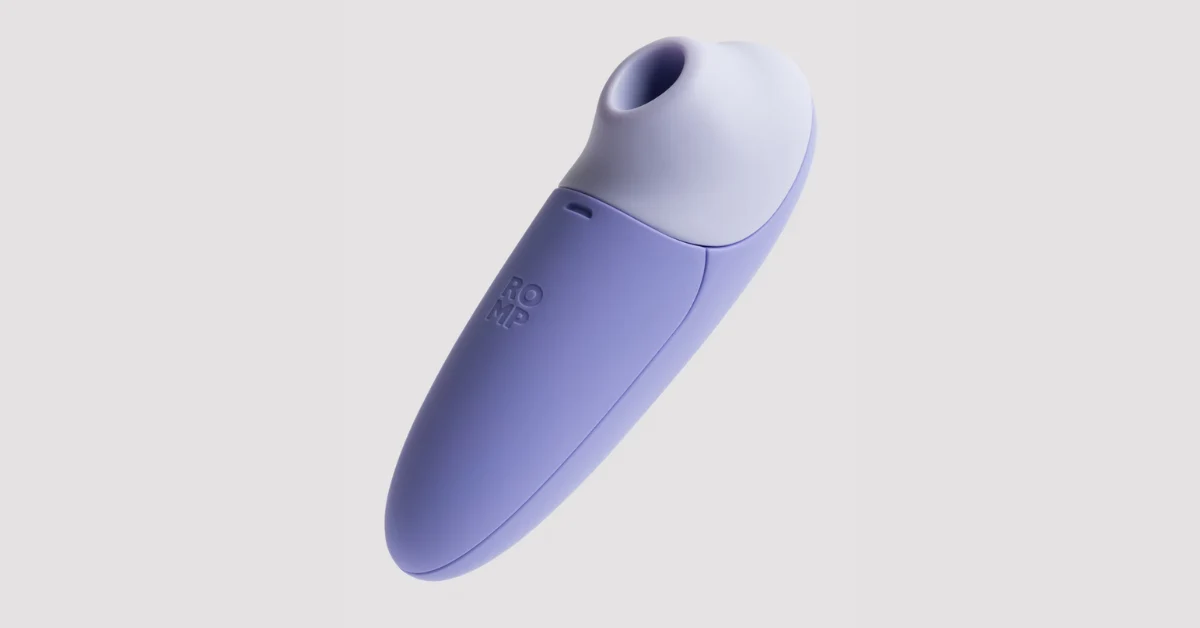
- A small external toy
- A massage or sensory item
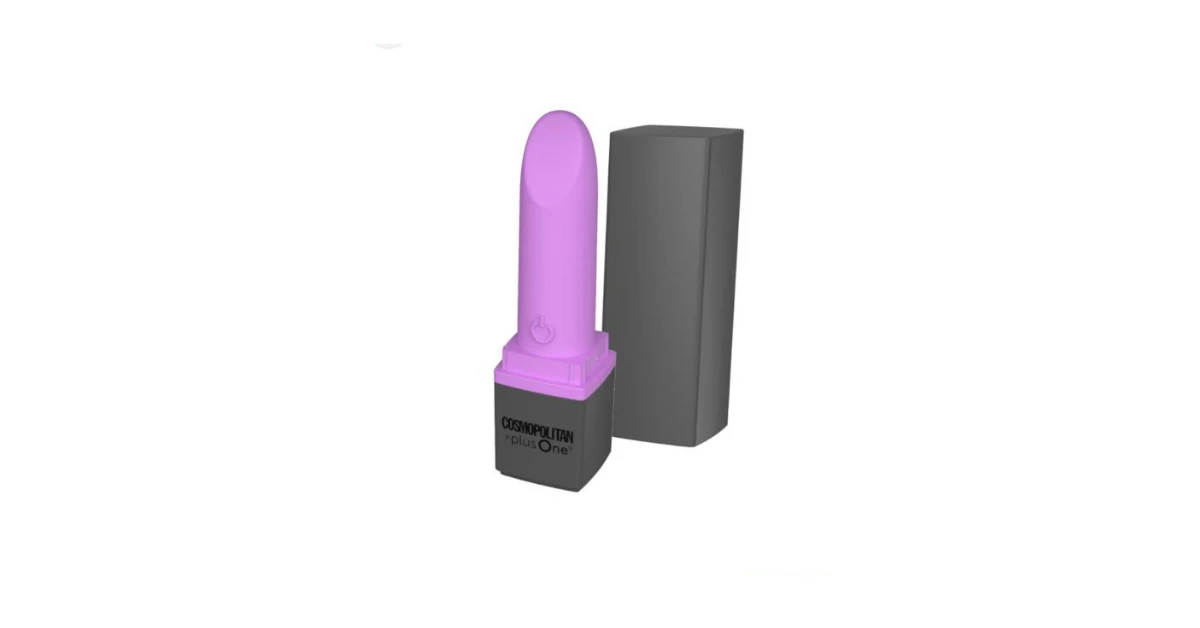
- Something discreet and easy to use
Starting small removes pressure and allows shared discovery.
Addressing Common Fears (Gently)
“Am I not enough?”
Reassure your partner that toys don’t replace connection—they support it.
“Is this too weird?”
Remind them that curiosity is normal and optional.
“What if I don’t like it?”
That’s okay. Trying something once doesn’t create obligation.
Communication After Trying Sex Toys
If you do try something new together:
- Talk afterward about how it felt
- Share what you liked (and didn’t)
- Keep feedback kind and specific
Open reflection builds emotional intimacy—not just physical connection.
When Talking About Sex Toys Can Strengthen Your Relationship
Handled well, these conversations can:
- Improve sexual communication
- Increase emotional trust
- Encourage honesty and vulnerability
- Reduce shame around pleasure
The goal isn’t the toy—it’s mutual understanding.
A Note on Solo Use
Some people worry that talking about sex toys automatically means using them together. That’s not always the case.
Solo use can also be discussed respectfully, with honesty and reassurance. What matters is openness, consent, and respect.
Final Thoughts: It’s About Communication, Not Toys
Talking to your partner about sex toys isn’t really about the toys—it’s about communication, trust, and emotional safety. There’s no “right” outcome. A successful conversation is one where both people feel heard and respected.
At Lovetoyadvisor.com, we believe healthy intimacy starts with honest dialogue. Whether you decide to explore sex toys together or simply understand each other better, the conversation itself is already a step forward.
Recommended Next Reads
Affiliate & Content Disclosure
This article may include affiliate links. If you make a purchase through them, we may earn a commission at no additional cost to you. This content is intended for readers 18 and older.